He Left a Five-Figure Monthly Salary to Help Rural School Kids "Use AI to Block Flies"
👨🏫
Narrated by: Xiao Hao, an elementary school teacher
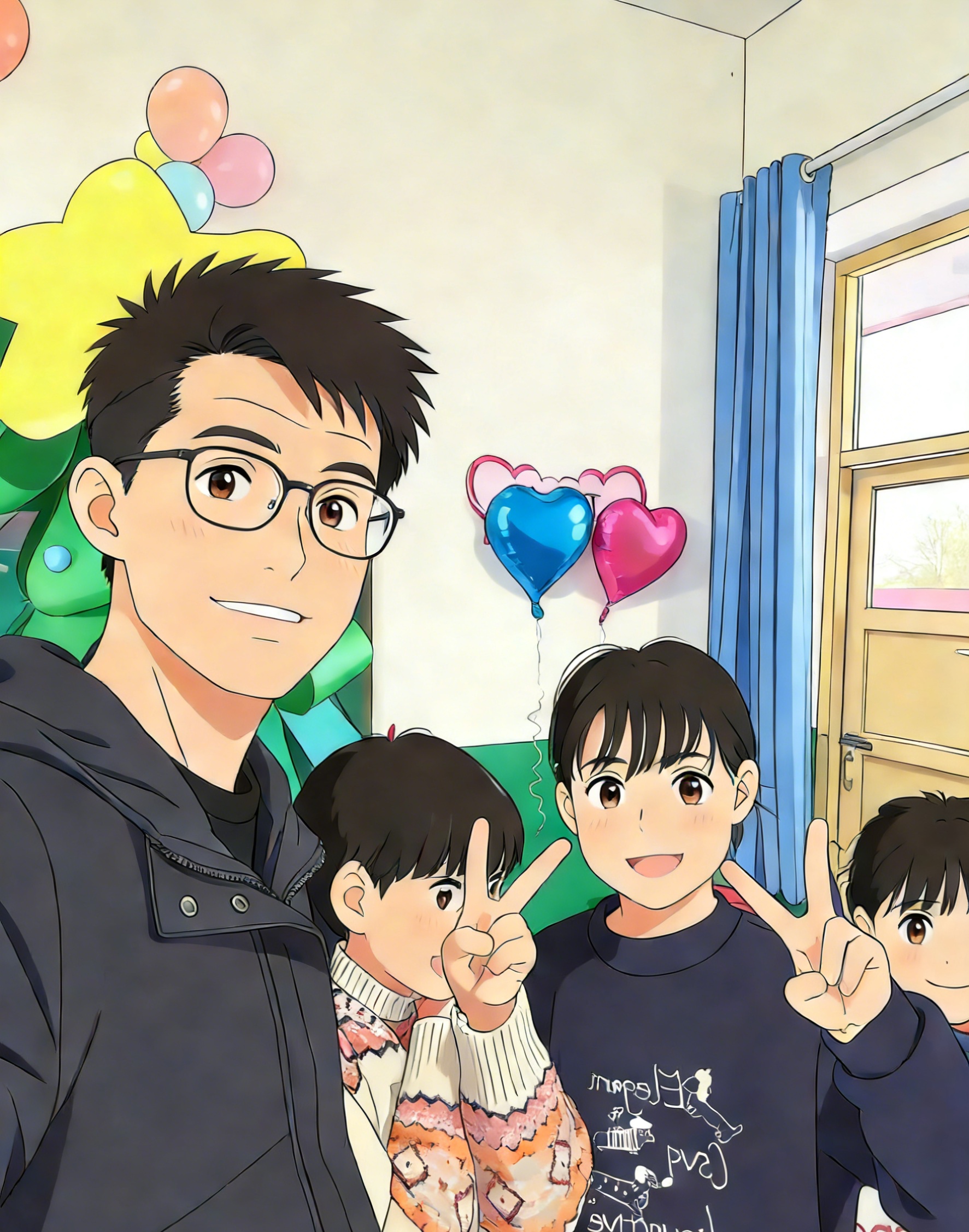
Xiao Hao is a rural substitute teacher for third-grade students. Before this, he had worked in operations, done business data analysis, and written code, earning a solid five-figure monthly salary. To many people, this young man who had made it out of the countryside was already "doing pretty well." But he gave up an enviable job and returned to his hometown for one reason: he wanted to help rural children see a bigger world.
01 When "Artificial Intelligence" First Entered the Classroom
When Xiao Hao first started teaching in the village, he felt a deep heaviness in his heart. "The conditions here are limited. These kids rarely get the chance to see the wider world. Their world is so small, sometimes it feels like all they have are worn-out textbooks and the dirt beneath their feet." He wanted them to see something bigger. He also wanted them to know that something called artificial intelligence existed in this world. It could draw, write poems, and answer all the wild questions in their heads.
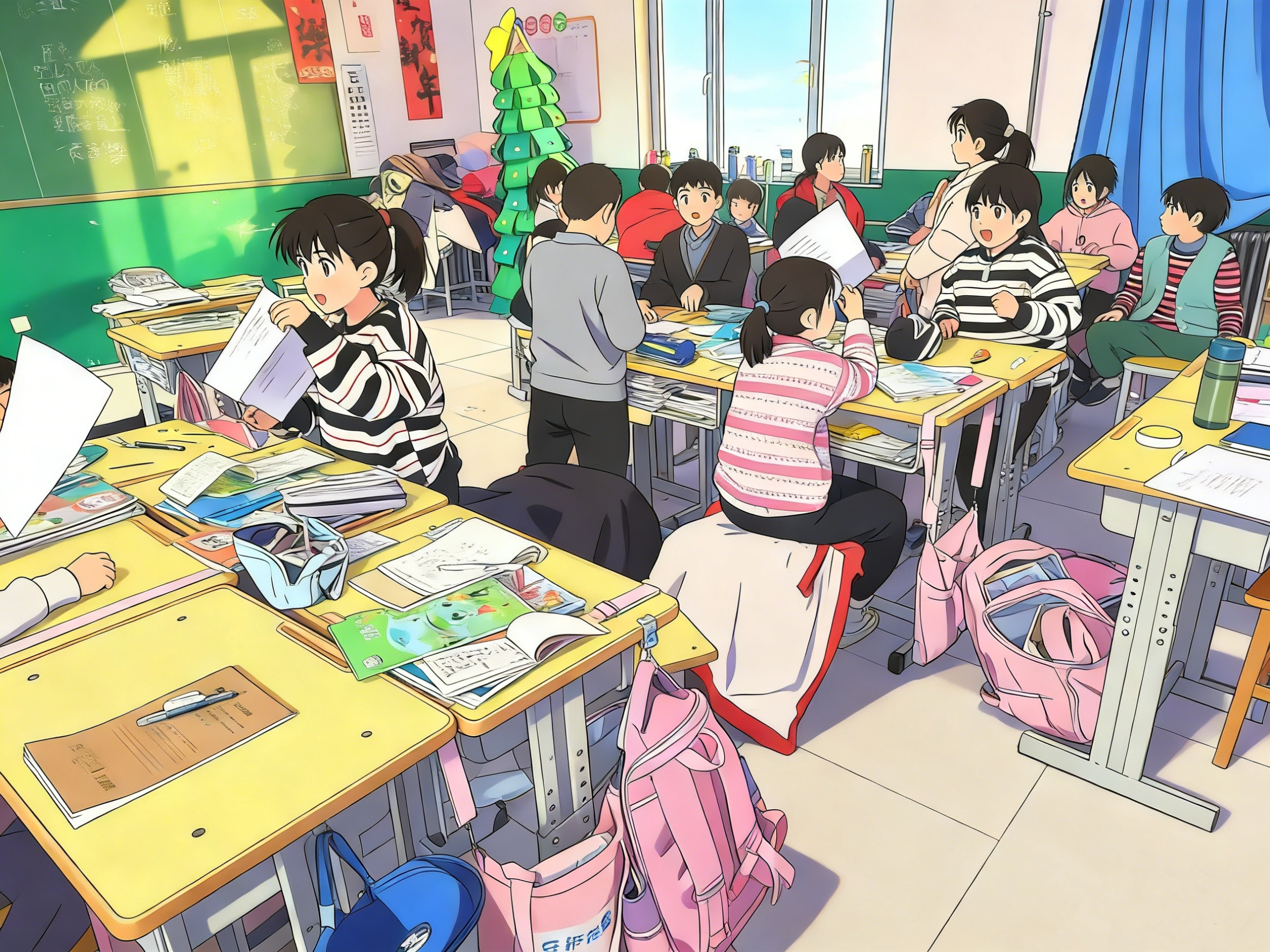
At first, it did not go smoothly. He wanted students to bring phones to school so they could try AI for themselves, but school leaders strongly opposed the idea: "You're just teaching them to copy answers! This has nothing to do with real learning!" But he did not give up. He kept trying to persuade them. In the end, both sides compromised: AI learning was allowed, but students still could not bring their own phones into the classroom.
So Xiao Hao paid out of pocket, bought a few secondhand phones, and logged his own Doubao account into them for students to use. That was how the children first got their hands on "high tech." Very quickly, they learned to use AI to search for information, learn dances, and even play with text-to-image generation. For the first time, AI opened a new window onto the world for these children.
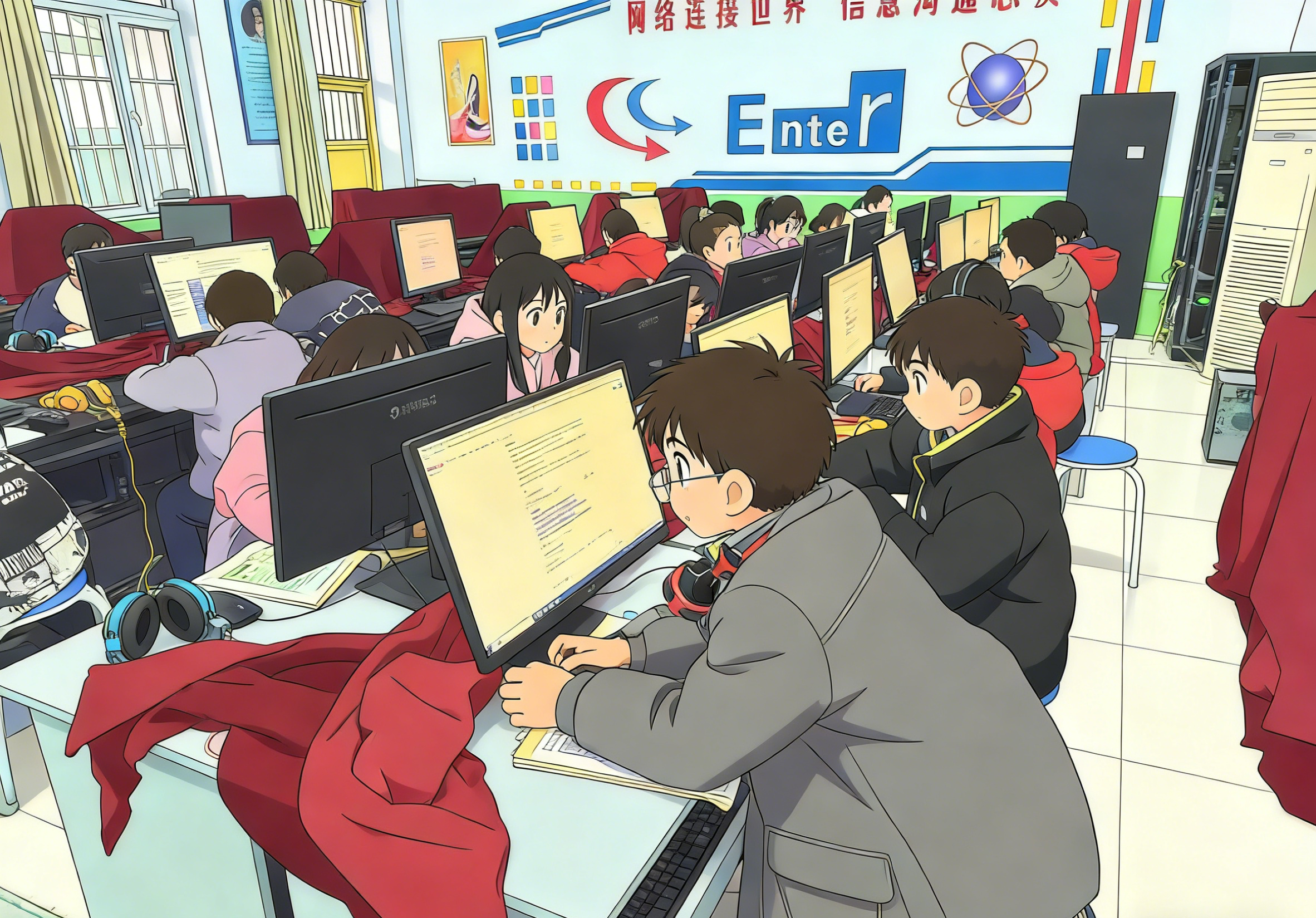
02 A Rural Classroom Specialty: Flies and False Touches
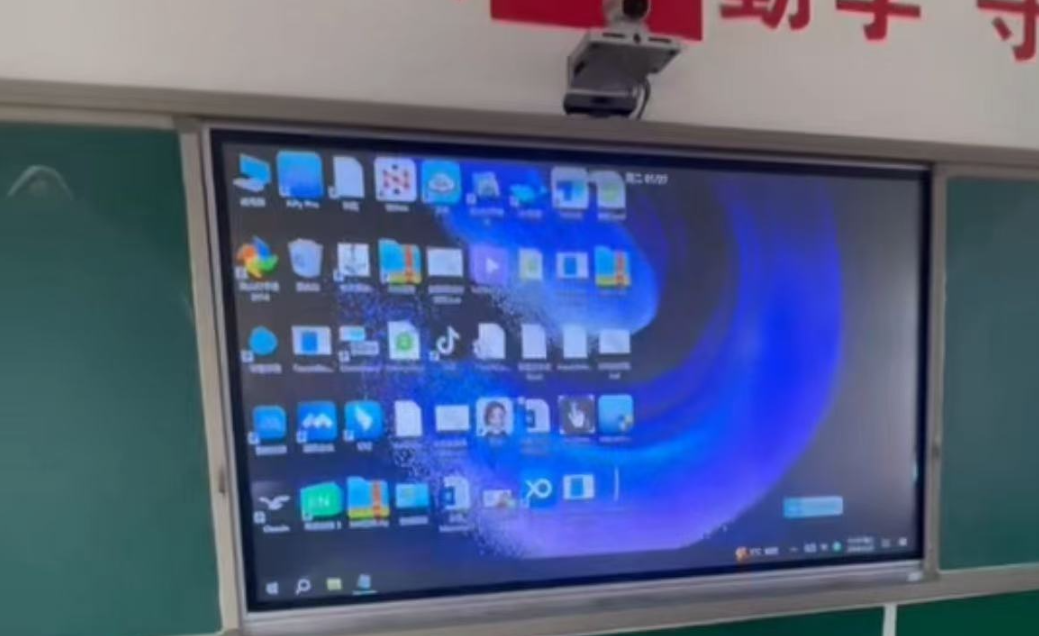
Rural classrooms now have multimedia smart boards too, which has improved teaching efficiency and made education more equitable. But in real classroom settings, some awkward problems remain hard to solve. For example: flies.
Electronic boards generate heat and light, and flies love landing on them. The screen cannot tell whether a touch is intentional or accidental, so slides jump around, videos pause, and sometimes the system even shuts down mid-class. In a 40-minute lesson, teachers can end up spending 20 minutes swatting flies at the podium. The class becomes fragmented, and both Xiao Hao and his students suffer through it.
Then one day, a student raised a hand and said, "Teacher, could we make a program together that keeps the flies out?"
03 We Won the Fight Against Flies by "Chatting" with AI
Writing code together with third-graders, and building a program this technical, would have been unimaginable in the past. But things are different now. With AI, it suddenly felt possible.
Xiao Hao happened to discover a public-interest Vibe Coding course, so he started "playing" with it together with the children. The students came up with ideas, and Xiao Hao acted as the translator, turning their words into prompts for the AI. They did not have to wrestle with complex syntax or low-level concepts like pointers, handles, and message queues. AI stood between them and those barriers.
- "Can the computer tell whether it's a mouse click or the screen touching itself?"
- "Can we give the screen a transparent shield, so flies hitting it do nothing, but I can still use the mouse?"
Those questions led somewhere real. AI told them they needed to distinguish RawInput and identify ExtraInfo. The children did not understand the technical jargon, but by comparing data and discussing it together, they found that different input methods really did produce different ExtraInfo values.
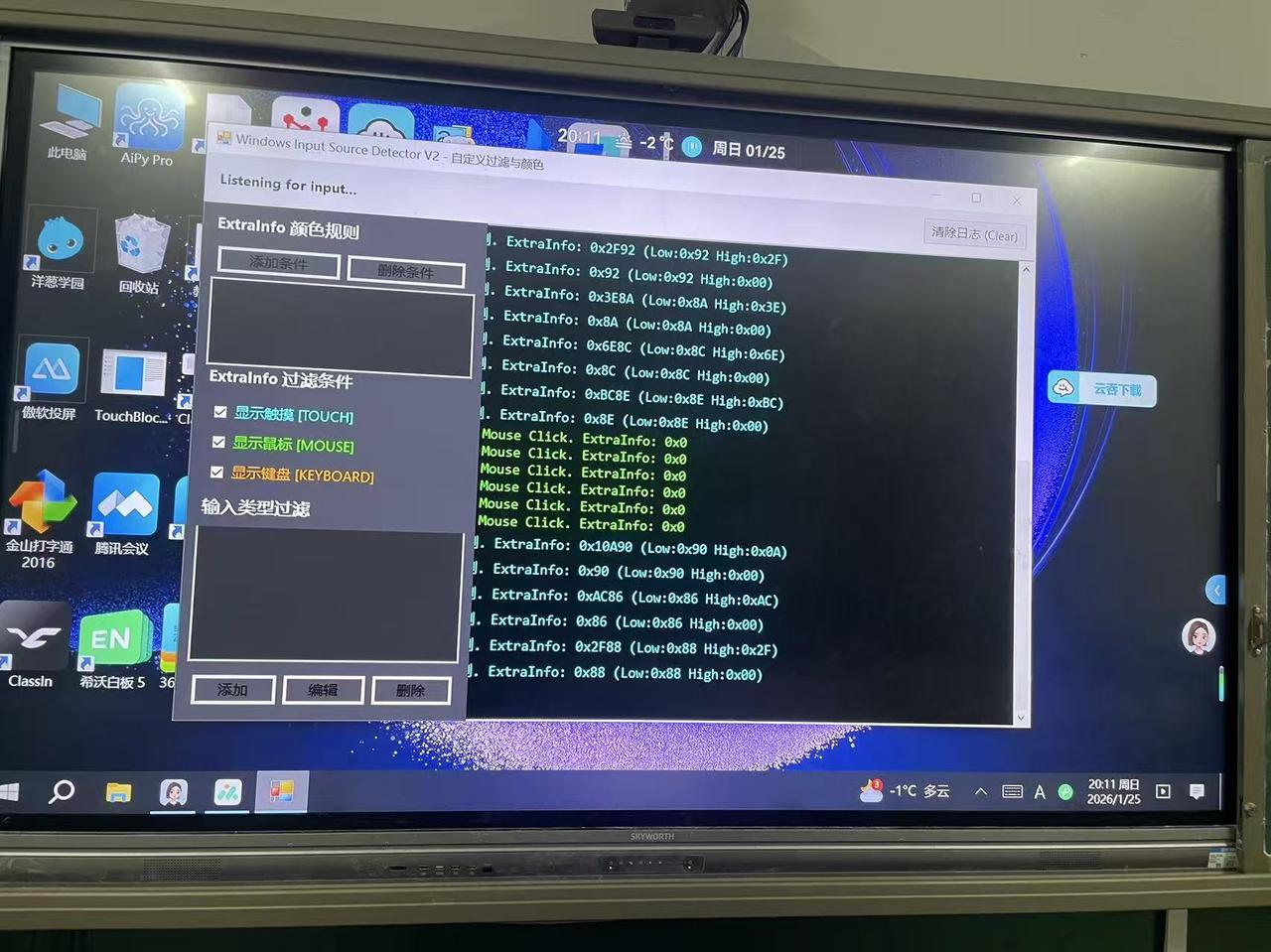
Step by step, one sentence at a time, Xiao Hao and the children "talked" their way with AI into building what became Xiao Hao Touch Lock. Its principle is simple: it recognizes the characteristics of incoming signals and precisely blocks touchscreen input while keeping mouse input intact. That way, no matter how wild the flies get on the display, the lesson stays perfectly stable.
This software is not some grand commercial product, but it solved a real classroom pain point in rural schools. More importantly, it gave the children their first taste of creating something themselves, and of using technology to answer a real problem from daily life.
04 From Writing a Line of Code to Knocking on a Door
What left the deepest impression on Xiao Hao happened on New Year's Day. He asked Doubao, "How can I help the kids spend the holiday in a meaningful way?" AI did not suggest a party or a classroom performance. Instead, it said, "Rather than celebrating in the classroom, why not visit an elderly villager who lives alone?"
So he really did. He took the children to visit an elderly man in the village who lived by himself with minimal support. When they arrived, the old man was eating lunch on a worn wooden stool, with only a bowl of plain noodles and a small plate of pickles on the table. Xiao Hao felt a sharp pang of regret for not bringing more food. Even the usually rowdy kids were unusually gentle that day, and they chatted with the old man for quite a while.
On the way back, a few children tugged at Xiao Hao's sleeve, their eyes red, and said, "Teacher, can we come help Grandpa more often?" The wind cut across their faces on the walk home, but Xiao Hao felt warm inside.
He said, "Education isn't just about teaching textbook knowledge. It also has to teach empathy. The answers AI gives us are not only technical. Sometimes they light a heart that wants to care for others."
05 A Few Words from Teacher Xiao Hao
To be honest, the biggest gain from building this software was not the software itself. It was seeing the light in the children's eyes. Before this, many of them thought computers belonged to city kids, that programming was for geniuses, and that none of it had anything to do with them. But now they know that as long as they have an idea, as long as they dare to imagine it, and even as long as they can describe it, they can use AI to change their own lives.
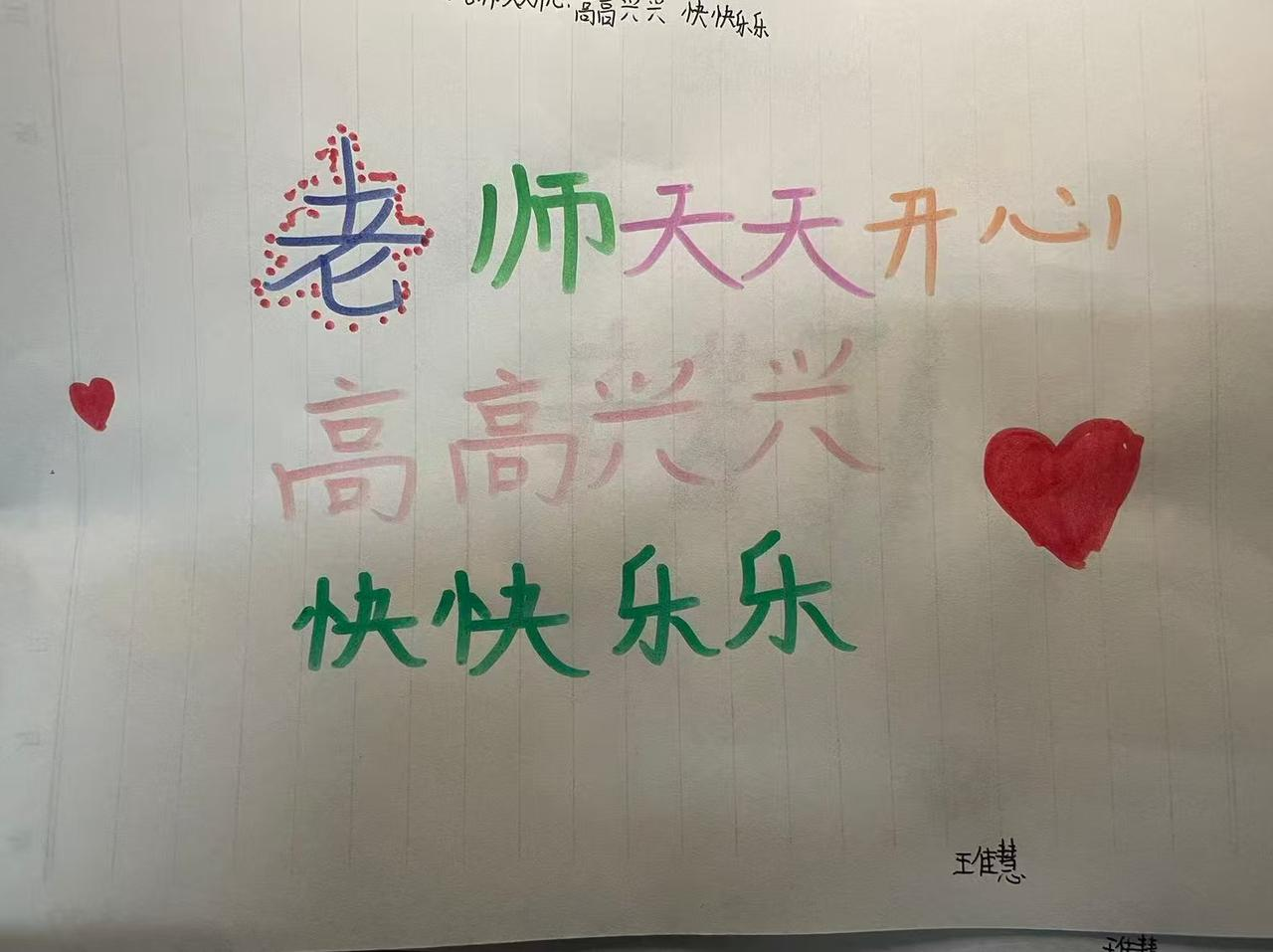
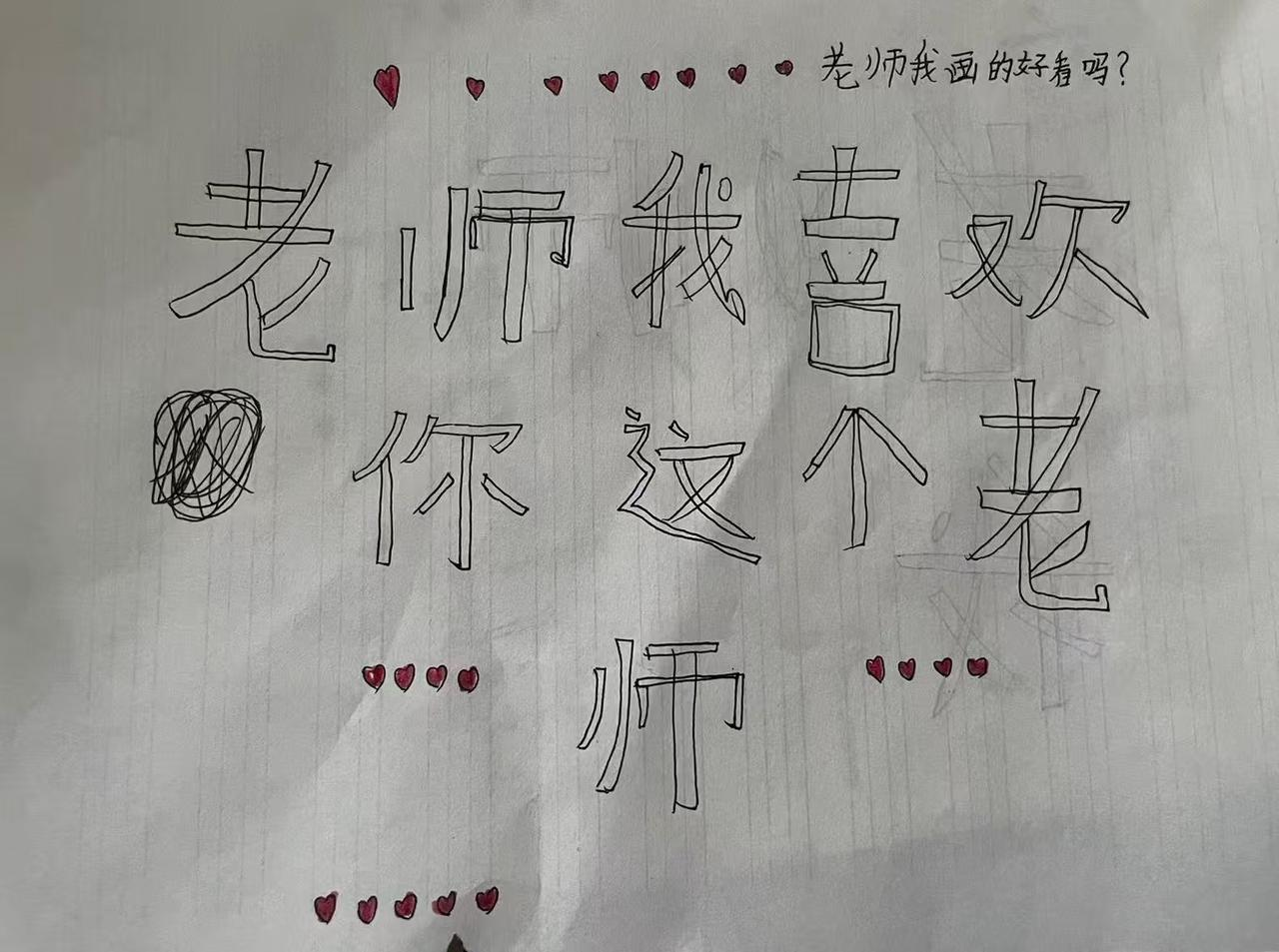
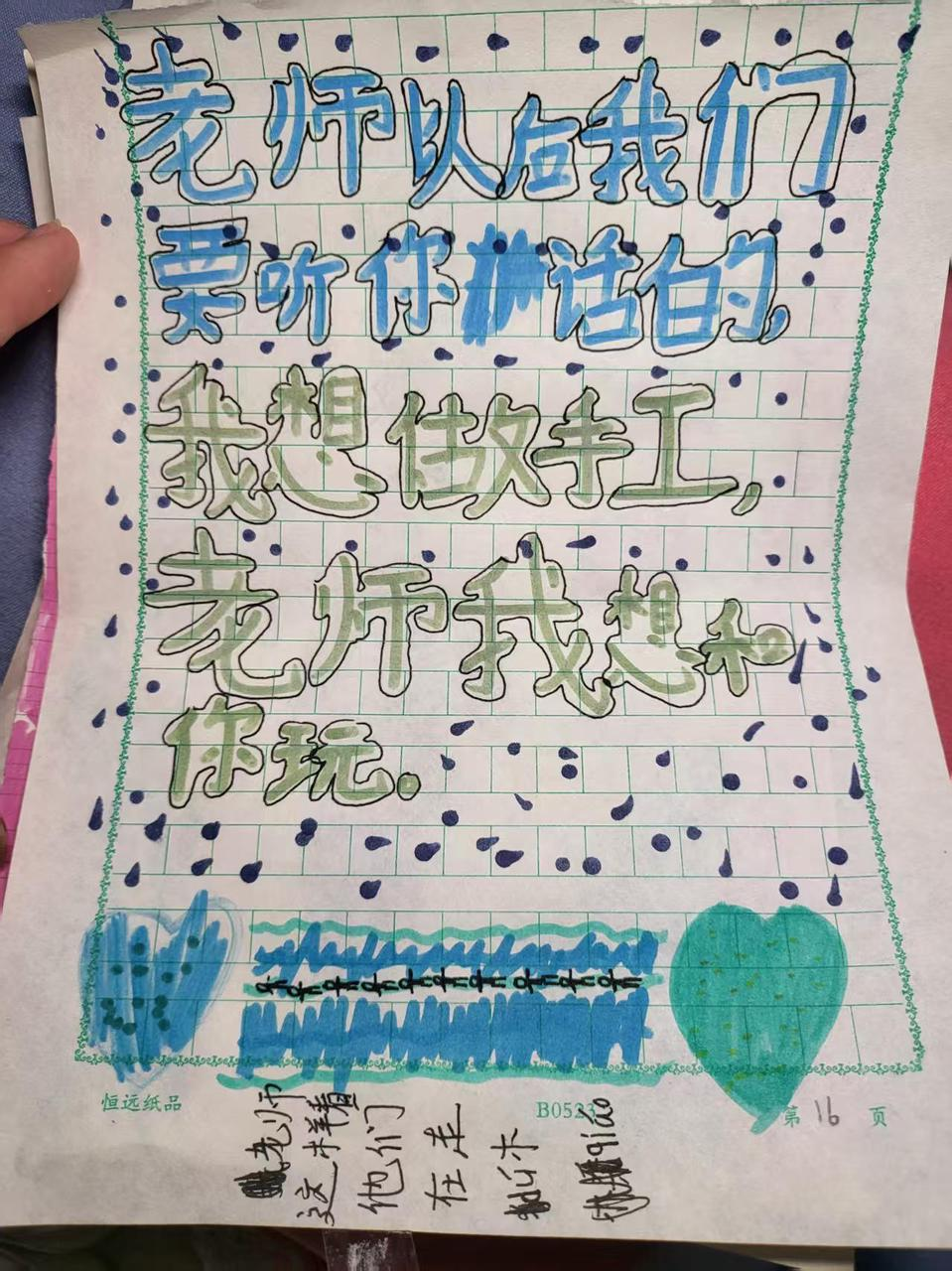
The student who first suggested building the software used to be the most mischievous kid in class. Now he listens more carefully than anyone else, because he knows that something he helped create is solving a problem for everyone. That sense of "I can do this too" is more valuable than getting a perfect score.
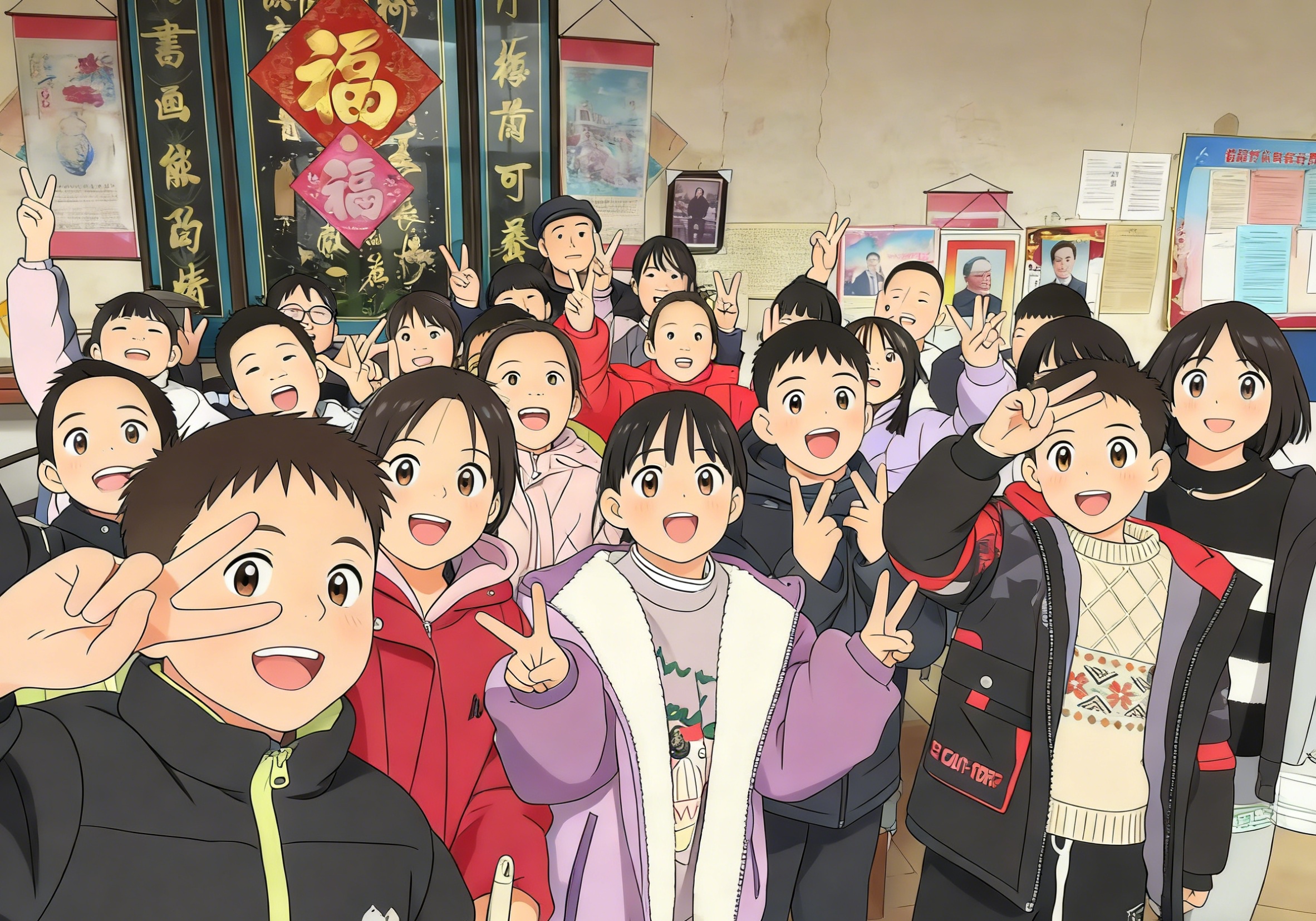
Xiao Hao also admitted that using phones and AI with the children brought him no shortage of criticism. Many people said he was neglecting his proper duties and setting a bad example. But when he sees the kids becoming more curious and more compassionate because of AI, he feels it has all been worth it.
06 Final Thoughts
Xiao Hao sincerely hopes more people will pay attention to practical, grounded AI-powered digital classrooms in public education. The small worlds of rural children need AI even more. AI is not just a tool. It is also a window that helps them connect with the vast world beyond their village.