Where Creative Ideas Come From
What this lesson is for
1. Begin with your own life
Think back over the last week. What made you copy and paste repeatedly, switch between several apps, or say, “I really need a better way next time”?
While apartment hunting, for example, you may keep three listing sites open and copy rent and commute times into a spreadsheet. After a viewing, the photos on your phone may no longer match the correct listing.
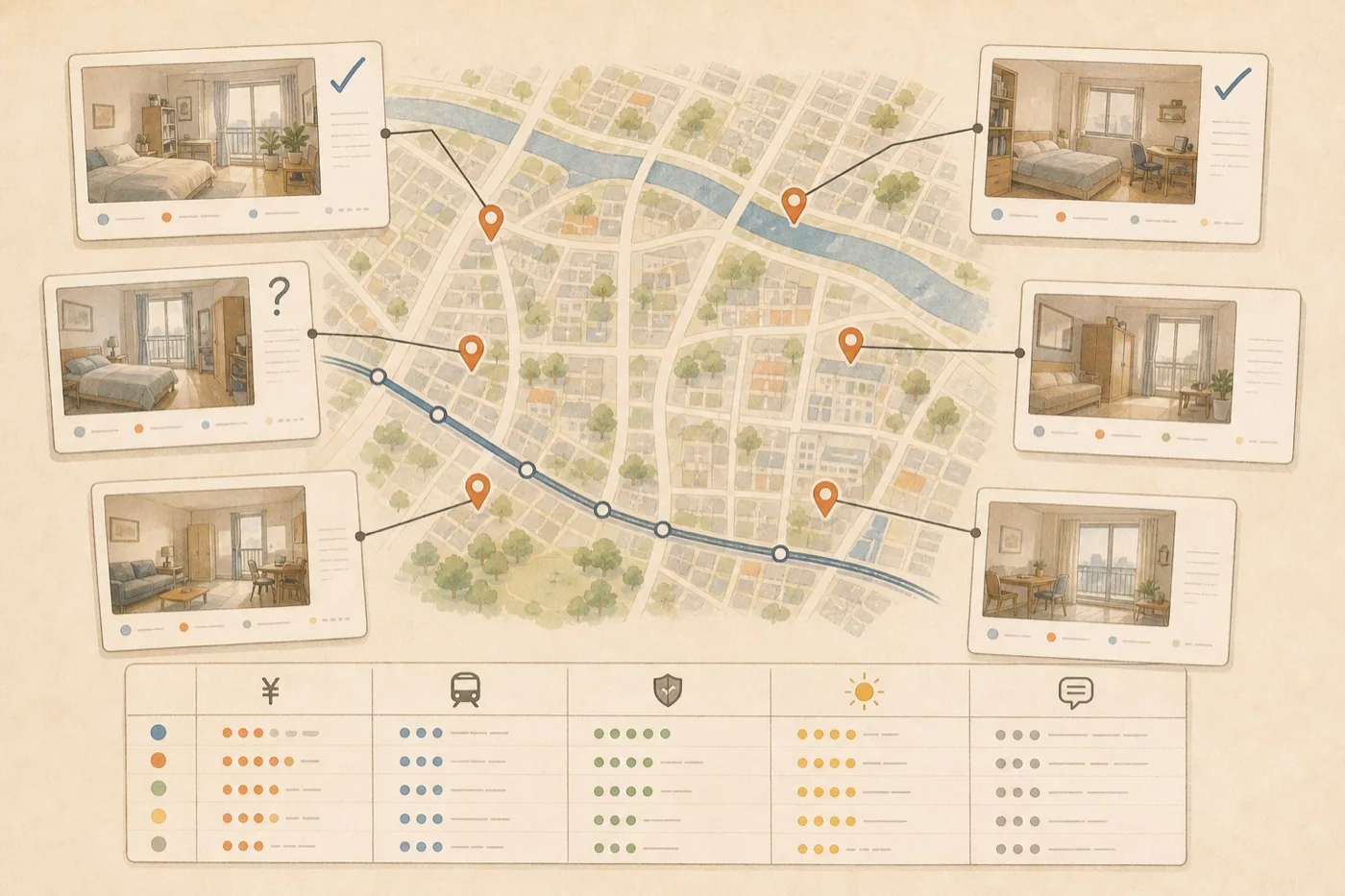
Record the experience first. You do not need to turn it into a product immediately.
One or two sentences about what happened, together with a relevant screenshot or file, already form a useful clue.
2. Notice requests that keep coming back
Ordinary conversations in work chats, class groups, and hobby communities often contain useful clues:
“Does anyone have the last template?” “How do I export this size?” “Why was it cropped again after publishing?”
Before an event launches, one poster may have to become a social banner, a vertical post, and a video cover. Every change in size forces the designer to rearrange the title, main subject, and safe area.

When the same request returns every few days, save it.
Keep the original wording and the situation where it appeared. The next lesson will determine whether it is a one-off inconvenience or a direction worth pursuing.
3. Browse one of these places
If you have no idea yet, choose one group from the map below. Idea communities show what people say they lack. Indie-maker stories show how small products begin. Software reviews, purchasing notices, and done-for-you services bring you closer to real business. Trend reports and investor writing are more useful after you already have a rough area of interest.
Do not try to browse everything at once. Reading a few concrete posts carefully is more useful than opening twenty homepages.
Your users can also be overseas
An internet product does not have to serve only your local market. A solo maker can build an English website, browser extension, Shopify app, Figma plugin, or small SaaS product and find early users through Product Hunt, Reddit, and other communities.
Observe what people in other markets already pay to solve. Cross-border sellers may repeatedly clean product data, real-estate agents may turn viewing notes into listings, and indie makers may struggle with support email and subscription revenue. After searching in your own language, try terms such as vendor quote comparison, real estate listing generator, or Shopify product description.
Building for another market is not just translating the interface. Habits, platforms, payment methods, and regulations may differ. Start with a small situation you understand and speak with real users before deciding what to build.
Search forums and reviews with the kind of words people actually use:
export quote spreadsheet takes too long
teacher no time to prepare lessons
small shop inventory never matches
site:reddit.com is there a tool for
When you find something useful, save the original sentence, page link, and date. Do not save only the homepage, and do not immediately rewrite the complaint as a product feature.
4. Learn four useful websites
The map contains many sources. These four represent product launches, indie business, software reviews, and search trends.
Product Hunt: where new products launch
Product Hunt is a place where technology products launch and compete for attention. Makers prepare a short description, screenshots, and a demo, then invite people to vote and comment on launch day.
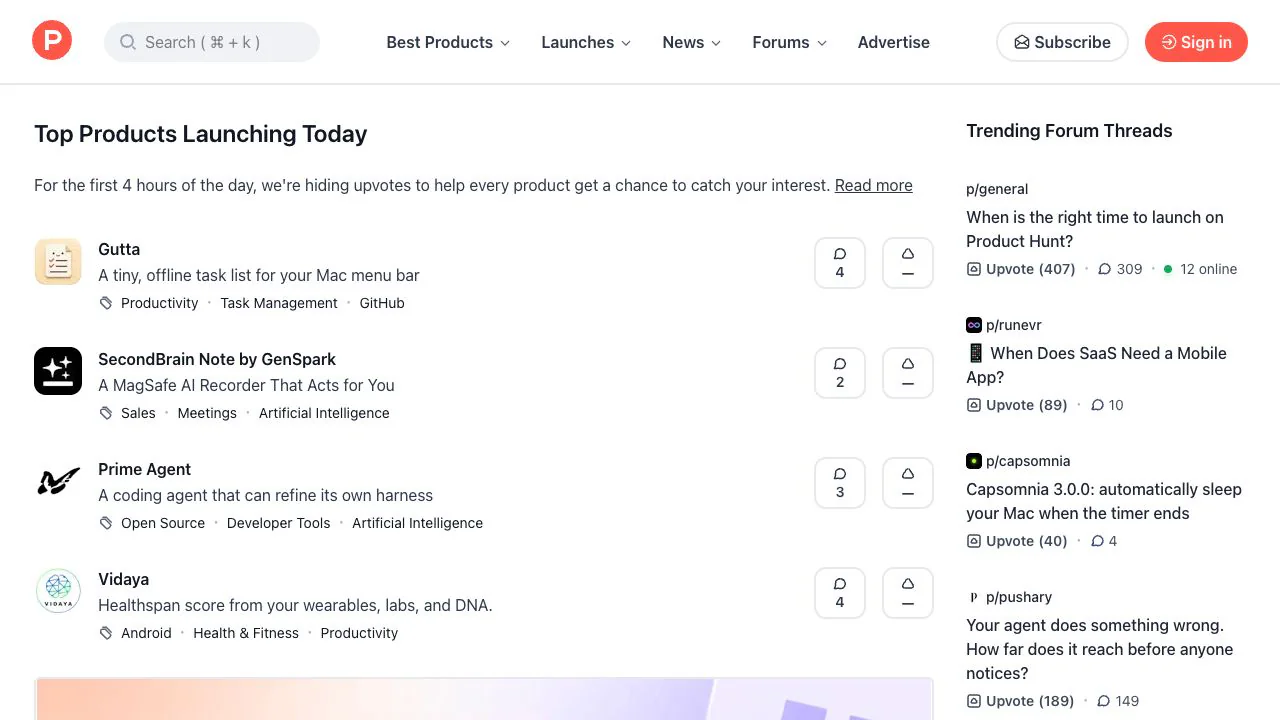
The products change every day. Open a product and study three things: how it describes itself in one sentence, what the first screenshot emphasizes, and what people ask in the comments. Do not look only at the winner; watch several days to see which categories keep appearing.
Indie Hackers: how small products are run
Product Hunt resembles a launch-day stage. Indie Hackers is a longer-running community where makers share product progress, revenue, customer acquisition, and failures.
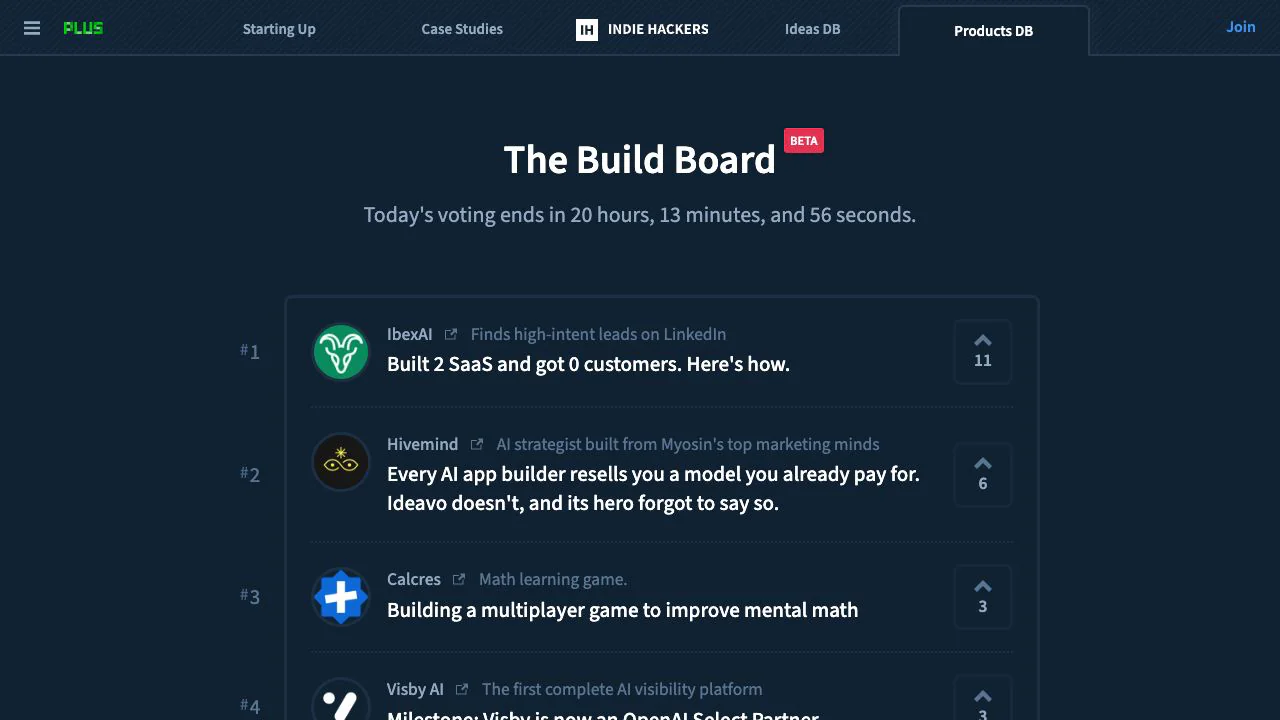
Do not study only the highest-revenue projects. A product maintained by one person and earning a modest, steady income often makes it easier to see the original small problem and where its first customers came from.
Capterra: find software categories and read reviews
Capterra is a directory and review site for business software. Companies use it to compare CRM, project management, support, scheduling, and other tools.
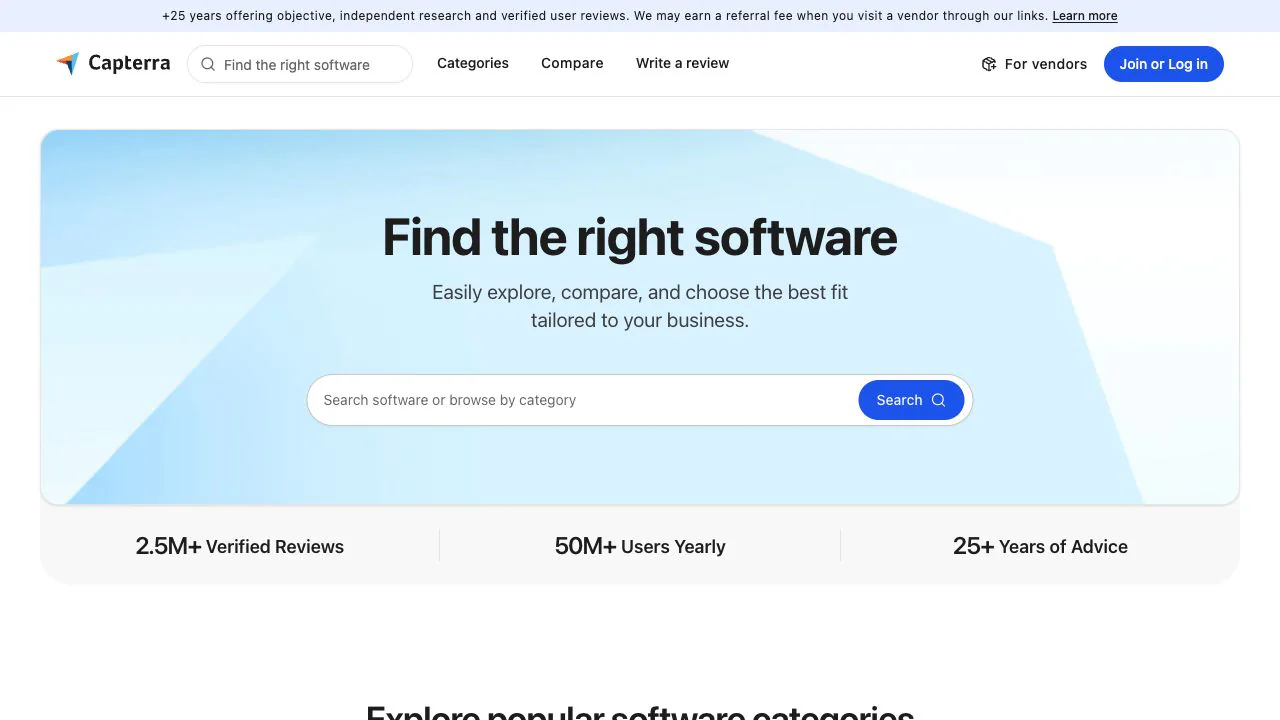
If a category interests you, open several established tools and read the low-scoring reviews. Repeated complaints—such as a poor mobile experience, wrong export format, or overly complex setup—are often more useful than the feature list on a product homepage.
Google Trends: compare changes in search interest
Google Trends shows relative search interest over time and by region, along with related and rapidly growing queries.
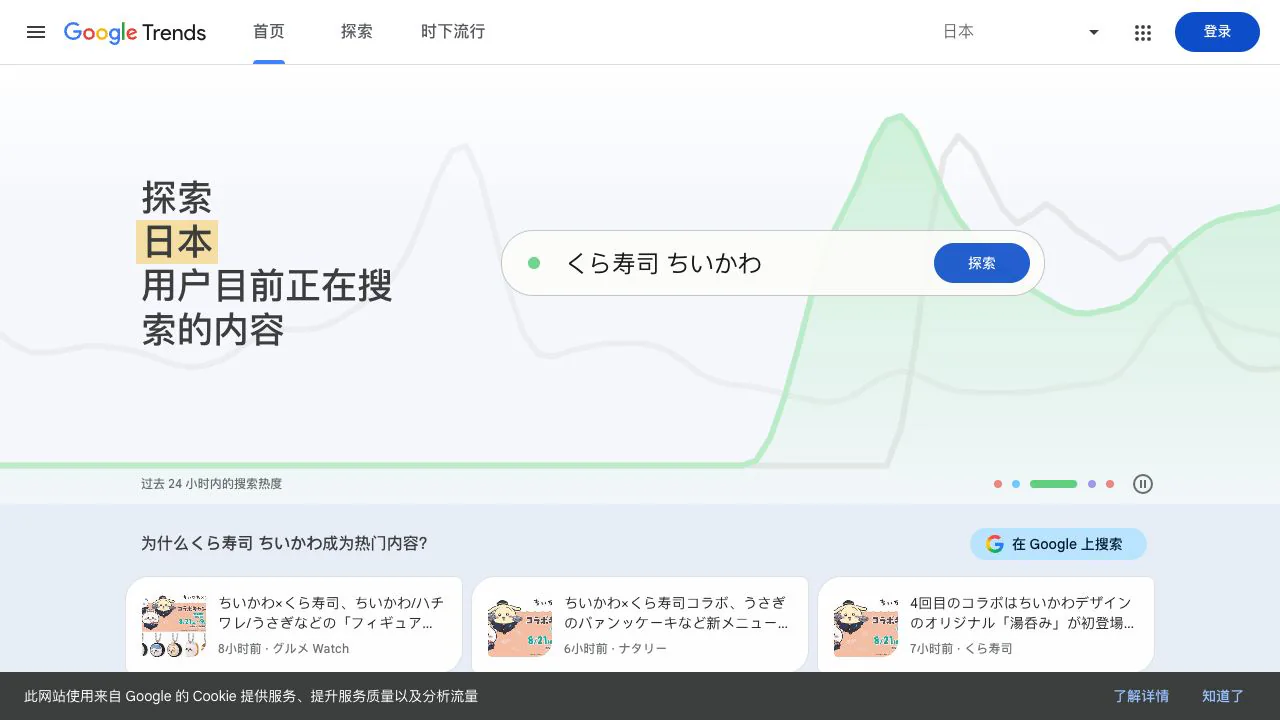
Use it after you have a few possible terms. For example, compare “AI meeting notes,” “AI transcription,” and “voice notes” to see which wording people search for. A rising line does not prove a market exists; it only shows how attention is changing.
5. Build one page of clues in 20 minutes
6. Take the material into the next lesson
At this point you only need one page of raw material whose source you can find again. It can be messy and does not need to resemble a mature product idea.
Next, read How to Identify a Great Idea and examine whether these clues reveal real needs, how much they matter, and which one deserves further validation.