
01. Request Path and Metrics | 请求链路与指标口径
页面目标
从一次最小推理请求开始,沿着 Prefill、KV Cache 和 Decode 走一遍,认识 TTFT、TPOT、throughput、P99 和 peak memory。完成请求阶段与指标的映射后,你应该能够说明请求经过了哪些阶段,把阶段连接到可观察指标,并根据现象判断下一步该看哪类机制。需要补充 Attention 基础时,可先阅读 04 Attention(MHA / GQA)。
核心机制
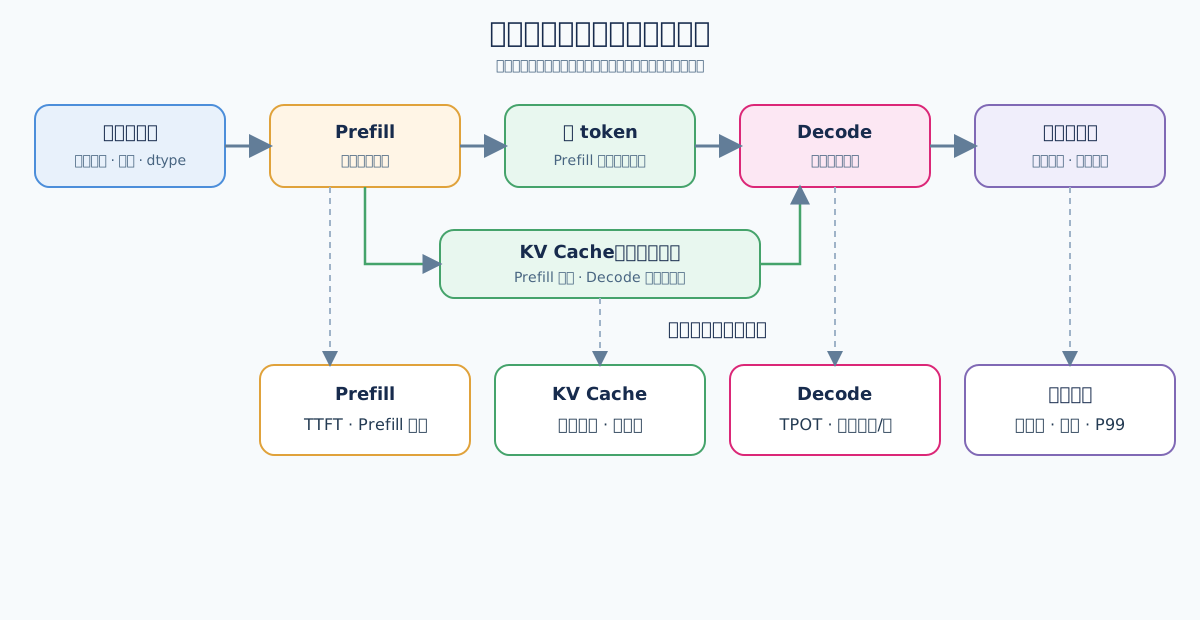
请求可以先拆成 Prefill、Decode 和输出三个主要处理阶段;KV Cache 不是独立的串行阶段,而是由 Prefill 写入、由 Decode 持续读取和追加的状态对象。TTFT 是首 token 延迟,TPOT 是后续 token 的平均生成间隔;吞吐、P99 和峰值显存分别帮助我们观察系统产出、尾部延迟和资源占用。下图把主要阶段、状态对象与指标放在同一条链路中。
不同阶段关注的指标不同:
| 指标 | 它回答的问题 | 主要关联阶段 |
|---|---|---|
TTFT | 首个 token 多久返回? | prefill、Attention、prompt length |
TPOT | 后续 token 多久生成一个? | decode、KV Cache、调度 |
throughput | 单位时间生成多少 token? | batching、调度、生成策略 |
peak memory | 运行期间最高占用多少显存? | 权重、KV Cache、batch、量化 |
P50 / P95 / P99 | 典型请求和慢请求的延迟是多少? | 排队、batch、调度、系统抖动 |
把指标放回请求链路时,先区分“阶段耗时”和“用户看到的结果”。TTFT 主要覆盖请求进入系统后到首 token 返回的路径,TPOT 主要反映首 token 之后的 Decode 循环;排队、数据传输和调度可能同时影响两者。因此一次实验至少要同时记录阶段时间、端到端延迟和请求条件,避免只用一个平均值解释整个系统。
| 证据层 | 需要记录的内容 | 用途 |
|---|---|---|
| 请求条件 | prompt tokens、generated tokens、batch、concurrency、模型和 dtype | 判断两次测量是否可比较 |
| 阶段表现 | prefill 时间、decode 时间、TTFT、TPOT | 定位请求链路中的主要阶段 |
| 服务表现 | E2E latency、throughput、P50/P99、排队时间 | 判断优化是否改善用户可见结果 |
| 资源表现 | peak memory、GPU 利用率、Cache 使用量 | 判断收益来自计算、访存还是容量变化 |
同一个模型在不同请求形态下,瓶颈可能完全不同。因此进入后续机制前,先给 workload 标注请求长度、到达方式和服务目标,而不是只记录一个平均 Prompt 长度。
| workload 类型 | 典型请求形态 | 优先关注的指标 | 主要进入方向 |
|---|---|---|---|
| 交互式短请求 | Prompt 和输出都较短,关注首 token 体验 | TTFT、P99、超时率 | Prefill、队列和调度 |
| 长上下文 | Prompt 很长或上下文持续增长 | TTFT、peak memory、Cache 使用量 | Attention、Chunked Prefill、KV Cache |
| 批处理 | 请求可等待,追求单位时间产出 | throughput、tokens/s、成本 | batching、kernel、量化 |
| 突发并发 | 到达率短时间快速上升 | 排队时间、P95/P99、拒绝率 | 接纳控制、调度、扩缩容 |
一次推理请求还要经过多个系统对象。模型决定计算图和状态结构,运行时或 backend 负责把模型映射到设备,调度器组织请求和 Cache,硬件执行 kernel 并提供显存与互联能力。性能问题应先定位到对象,再选择机制;否则容易把模型结构问题误判成 backend 问题,或把调度等待误判成 kernel 变慢。
| 系统对象 | 主要负责什么 | 可观察证据 |
|---|---|---|
| 模型与权重 | 层结构、dtype、权重和 KV 表示 | 参数量、dtype、模型 revision |
| Runtime / backend | loader、kernel、Cache 实现和请求执行 | backend 版本、kernel、执行路径 |
| Scheduler | 批次、队列、接纳、暂停与服务池 | batch、queue time、调度事件 |
| 硬件与互联 | 计算、显存、带宽和跨设备传输 | GPU 利用率、显存、带宽、通信时间 |
Attention 的架构变化会沿着请求链路影响不同成本:MHA、GQA 和 MQA 主要改变 KV Cache 的规模,MLA 改变 Cache 的内部表示,FlashAttention 则改变 Attention 的执行和访存路径。它们属于不同层次,应该分别观察架构、状态和 kernel 证据。
| Attention 方向 | 主要改变 | 影响的推理成本 | 后续正文 |
|---|---|---|---|
| MHA → GQA / MQA | KV heads 数量 | KV Cache 显存、Decode 访存 | 04 |
| MHA / GQA → MLA | KV 状态表示 | Cache 容量、恢复或重构计算 | 04、71 |
| 标准 Attention → FlashAttention | 中间矩阵与访存路径 | Prefill 时间、工作集、带宽 | 02 |
| 单请求 Cache → Paged / Prefix Cache | 状态分配与复用 | 并发容量、TTFT、碎片 | 04、07 |
MoE 是另一类架构变量:总参数量不等于每个 token 的实际计算量。推理时还要观察 Router 选择的专家数、专家负载、容量因子和 token dispatch 通信;这些因素会在多 GPU Serving 中进一步影响负载均衡和吞吐。
参考入口:指标定义可看 vLLM Metrics;Serving 实现可看 vLLM。
判断框架
比较前先固定 workload,也就是一组可复现的输入和运行条件:模型、backend(实际执行推理的框架或服务)、Prompt(输入文本)、generated tokens(输出长度)、batch(一次并行处理的请求数)、并发、dtype(计算数据类型)和 cache policy(缓存管理方式)。然后根据现象选择下一步:
| 观察到的现象 | 优先怀疑的瓶颈 | 下一步 |
|---|---|---|
长 prompt 使 TTFT 明显升高 | prefill-bound(输入处理受限)或 Attention 访存 | 进入 02 |
TPOT 高、生成阶段占比大 | decode-bound(逐 token 生成受限)、KV Cache 或调度 | 进入 03 / 04 |
| peak memory 接近预算、batch 上不去 | memory-bound(显存或访存受限)或 Cache 容量 | 进入 04 / 05 |
| 多请求时 P99 明显升高 | 排队、batch 组织或调度 | 进入 04 / 06 |
| 没有明显单点瓶颈 | 需要端到端比较 | 进入 06 |